


The Grand Mosque of Hama
Discover our latest travel stories, tips, and insights
Apr 02, 2026
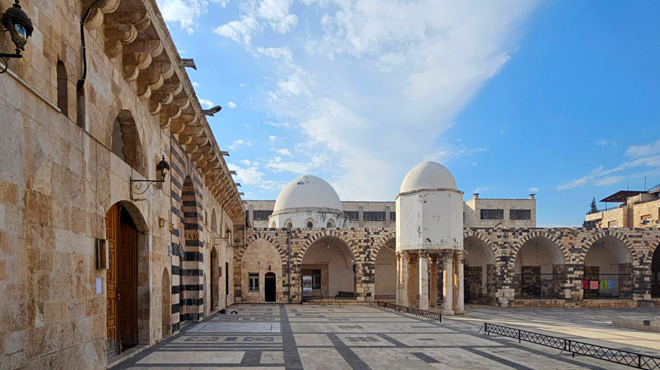
The Great Mosque of Hama, also known as Al Akbar Mosque, stands as a layered monument to the city’s long and complex history. Its site has been sacred ground for nearly two millennia, beginning as a Roman temple dedicated to Jupiter in the 3rd century CE, later transformed into a Byzantine church in the 6th century. Following the Muslim conquest of Hama in the 7th century, the building was converted into a mosque—most likely during the Umayyad or early Abbasid period—retaining much of its earlier stonework. Over the centuries, it was enriched with new features: a Seljuq era square minaret dated to 1153 CE, an octagonal Mamluk minaret from 1420 CE, and Ayyubid tombs of two 13th century rulers within its courtyard. The mosque’s basilica style prayer hall, five domes, and arcaded courtyard reflect a blend of Roman, Byzantine, and Islamic architectural traditions. Though almost entirely destroyed during the events of 1982, it was meticulously rebuilt in the early 2000s, preserving its historic form and continuing its role as the spiritual heart of Hama.