


The waterwheels
Discover our latest travel stories, tips, and insights
Apr 01, 2026
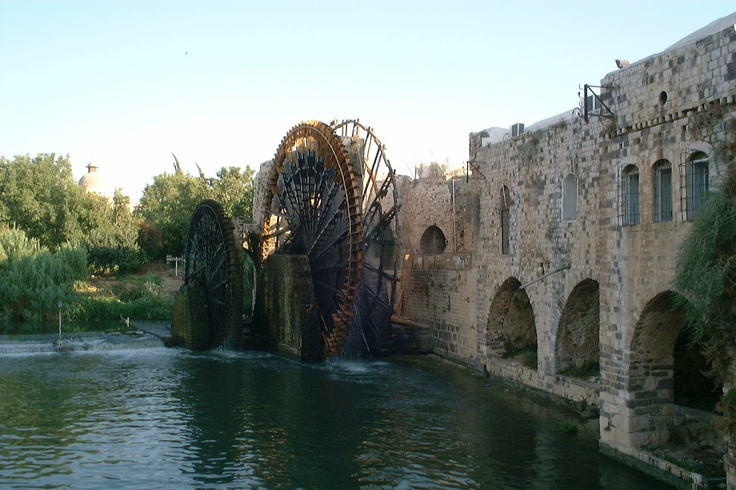
The waterwheels of Hama, known as norias, are among the city’s most enduring symbols, with origins that reach deep into antiquity. Archaeological evidence, including a 4th century CE mosaic from nearby Apamea, shows that water lifting wheels were already in use along the Orontes River in the Roman and Byzantine periods. By the 9th century CE, medieval chroniclers recorded their presence in Hama, and by the late 12th century they had become a defining feature of the city’s landscape. Built entirely of wood, these massive wheels—some exceeding 20 meters in diameter—were engineered to raise river water into stone aqueducts, supplying mosques, hammams, homes, and gardens. The largest surviving example, Noria al Muhammadiya, was constructed in 1361 CE and for centuries ranked as the tallest waterwheel in the world. At their peak, Hama boasted over a hundred norias, but only seventeen remain today, preserved as remarkable relics of medieval hydraulic ingenuity and as a living emblem of the city’s heritage.
Activity ideas:
• Walk the Orontes riverbank and watch the wheels in motion.
• sip tea or have a meal with a view of the turning wheels.
Activity ideas:
• Walk the Orontes riverbank and watch the wheels in motion.
• sip tea or have a meal with a view of the turning wheels.