


Homs
Discover our latest travel stories, tips, and insights
Apr 01, 2026
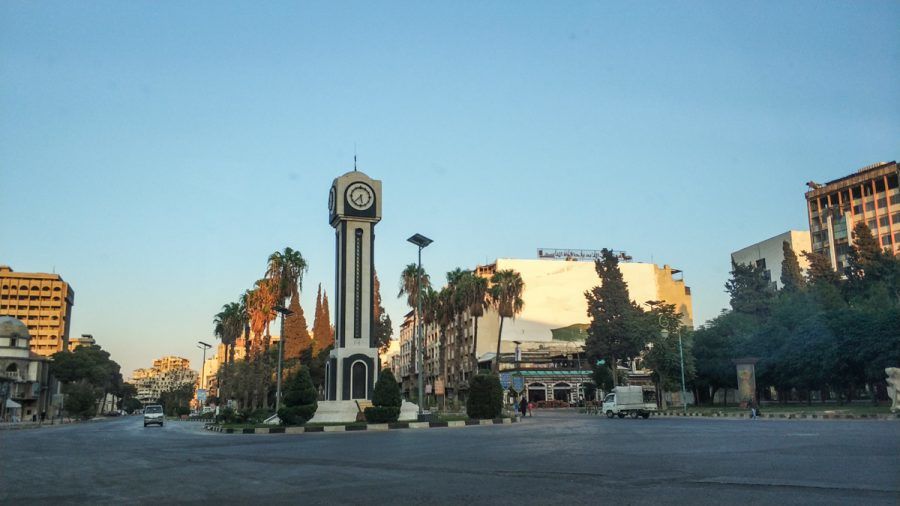
Homs has always been a city of passage and encounter, where the desert meets the fertile Orontes plain. In Roman times, Emesa was famed for its sun temple and for producing emperors who carried its name to the heart of the empire. Later, under the Umayyads and Ayyubids, its mosques, khans, and gardens flourished, turning the city into a vibrant stop for pilgrims and traders alike. The scent of roasted chickpeas and sesame once drifted through its souqs, mingling with the laughter of storytellers and the rhythm of craftsmen at work. From the basalt stones of its ancient citadel to the domes of Khalid ibn al Walid’s Mosque, Homs reflects a layered identity — a place where faith, commerce, and daily life intertwined. Even after hardship, the city’s spirit endures, carried in the humor of its people and the resilience of its streets, reminding every visitor that Homs is not only a witness to history but a keeper of Syria’s living soul. Its orchards, once famed for apricots and pomegranates, still whisper of abundance along the riverbanks. The melodies of traditional dabke and the warmth of family gatherings echo through its neighborhoods, binding past to present. Each stone and archway tells of civilizations that rose and fell, yet left their mark in resilience. To walk through Homs is to walk through a chronicle of endurance, where memory and hope continue to live side by side.
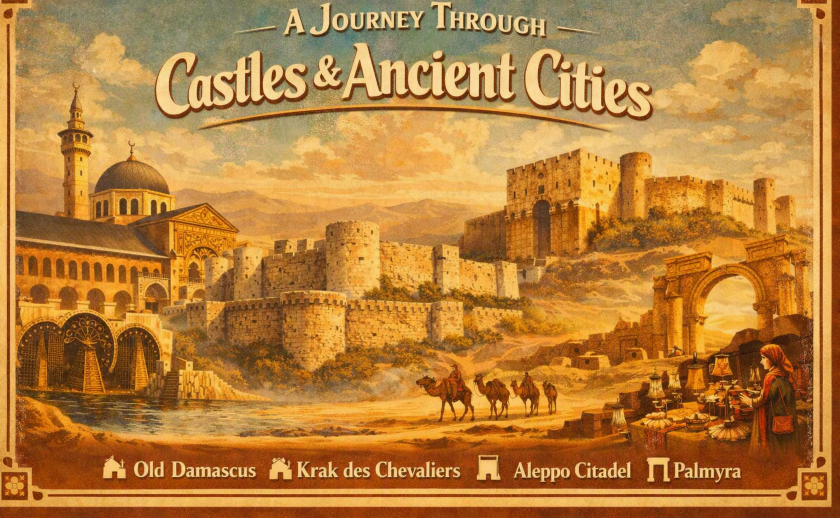
A Journey Through Castles & Ancient Citi...
$90 / 7 days