


Old City
Discover our latest travel stories, tips, and insights
Apr 01, 2026
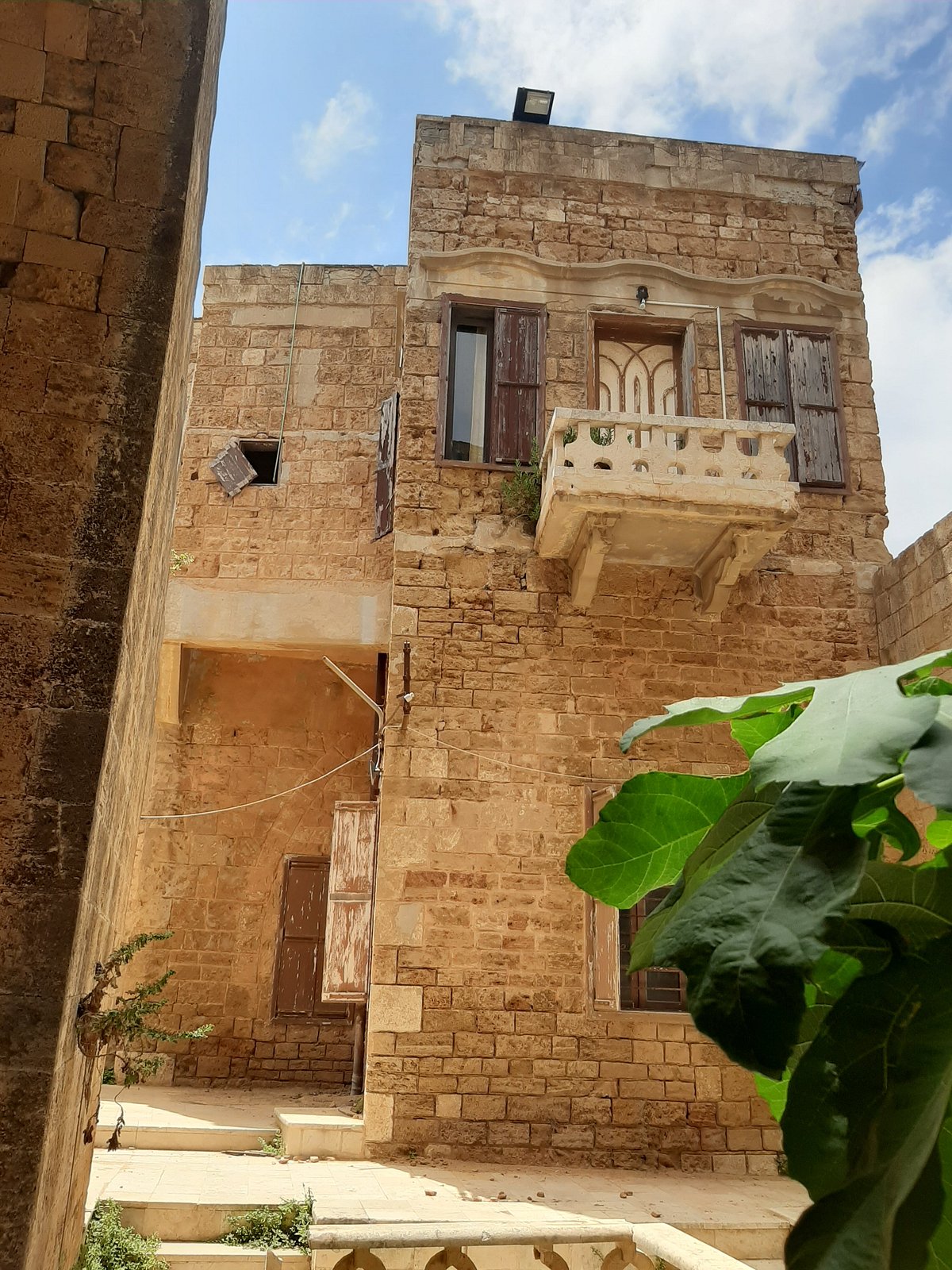
In the winding lanes of Tartus’s old quarters, the city’s history unfolds in stone — from its birth as Antaradus, a Phoenician mainland outpost facing the island of Arwad, to its rebirth under Emperor Constantine in the 4th century CE as a thriving Roman Byzantine port and bishopric. Here, merchants once traded Tyrian purple and glassware, while pilgrims bound for the Holy Land passed through its gates. In the 12th century, the Crusaders transformed Tartus — then Tortosa — into a fortified bastion of the Knights Templar, girding it with massive walls, towers, and the great Cathedral of Our Lady of Tortosa. After the Mamluk conquest in 1291, the quarter adapted to new rulers, its Crusader stones repurposed into mosques, khans, and Ottoman era homes with shaded courtyards and carved wooden balconies. Along the harbor, the medieval souks once rang with the calls of fishmongers and spice traders, their goods arriving from Cyprus, Alexandria, and beyond. Today, as you walk these narrow streets, fragments of fortifications, weathered façades, and the mingled scents of salt and history recall a thousand years when Tartus was a sentinel of Syria’s coast — a place where empires met the sea.
Activity ideas:
• Walk the medieval lanes and look for remnants of the Crusader walls and gates.
• Wander through harbor side markets where fishmongers, spice sellers, and artisans still trade much as they did centuries ago.
• Brows the covered old bazaars.
• Stroll along the old port area.
• Try Tartus Traditional dishes.
Activity ideas:
• Walk the medieval lanes and look for remnants of the Crusader walls and gates.
• Wander through harbor side markets where fishmongers, spice sellers, and artisans still trade much as they did centuries ago.
• Brows the covered old bazaars.
• Stroll along the old port area.
• Try Tartus Traditional dishes.